
Planning a trip to Moab is exciting, but it can also feel a little overwhelming. There is so much to see, so many ways to explore, and so many different opinions about what you should or should not do. The good news is that with a little planning, Moab is one of the easiest places in the country to turn a good trip into an unforgettable one.
After helping visitors explore this area for years, we have learned that the best Moab trips are not the ones that try to do everything. They are the ones that balance great planning with enough flexibility to actually enjoy the experience.
This guide will walk you through when to come, what to bring, and what to book in advance so you can make the most of your time here.
When Is the Best Time to Visit Moab
Moab is a year round destination, but each season offers a slightly different experience.
Spring and Fall
Spring and fall are the most popular times to visit, and for good reason. Temperatures are generally comfortable, the weather is usually stable, and the conditions are great for hiking, sightseeing, and off road tours.
These seasons are ideal if you:
- Want to spend long days outside
- Prefer moderate temperatures
- Plan to mix hiking, sightseeing, and guided tours
Because these are peak seasons, it is also when Moab is busiest. Booking activities and lodging early is important during these months.
Summer
Summer in Moab is hot. There is no way around it. That said, many people still visit and have a great time.
Summer works well if you:
- Are comfortable with heat
- Plan early morning or evening activities
- Want fewer crowds in some areas
Guided tours are especially helpful in summer because experienced guides know how to plan routes and timing to make the most of the day while avoiding the worst heat.
Winter
Winter is the quiet season in Moab. Some trails and areas may be less accessible, but the landscape is still beautiful and often feels more peaceful and remote.
Winter is a good option if you:
- Want fewer crowds
- Do not mind cooler temperatures
- Are flexible with your plans
How Long Should You Stay
We always tell people that two days is the minimum to get a real taste of Moab. Three to five days is ideal for most trips.
A good balance might look like:
- One day visiting Arches National Park
- One day visiting Canyonlands or doing scenic drives
- One day on a guided Jeep or UTV tour
- Extra time for hiking, relaxing, or exploring town
Trying to cram everything into one or two days usually leaves people wishing they had more time.
What to Pack for Your Moab Adventure
Packing the right gear makes a big difference in how comfortable and enjoyable your trip is.
Clothing
Plan for:
- Lightweight, breathable clothing
- Layers for mornings and evenings
- A hat and sunglasses
- Sturdy walking shoes or hiking shoes
Even in warmer months, temperatures can change quickly, especially at higher elevations or in the evening.
Sun and Heat Protection
Moab is high desert, and the sun is strong.
Bring:
- Sunscreen
- Lip balm with sun protection
- A reusable water bottle
- More water than you think you need
Staying hydrated is one of the most important parts of having a good day outdoors here.
Day Pack Essentials
A small backpack is useful for:
- Snacks
- Water
- Camera or phone
- Light jacket or extra layer
What to Book in Advance
This is one of the most important parts of planning your trip.
Lodging
Hotels, vacation rentals, and campgrounds fill up quickly, especially in spring and fall. Book your lodging as early as possible once you know your dates.
Park Entry
Depending on the time of year, you may need reservations or timed entry for certain parks. Check current requirements before you arrive so you are not surprised.
Guided Tours
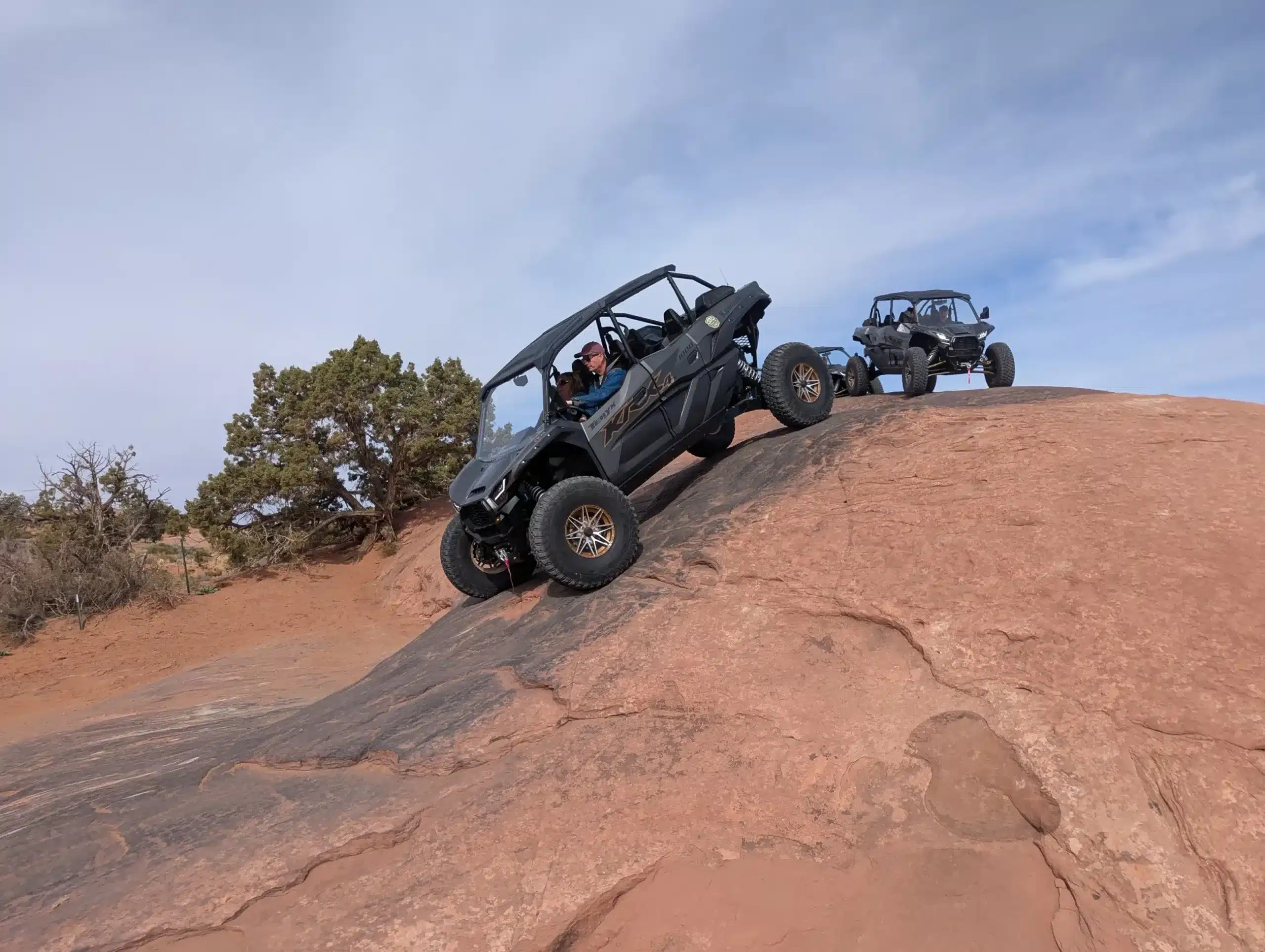
Guided Jeep and UTV tours are extremely popular, and prime time slots often sell out well in advance.
If a guided tour is something you want to do, do not wait until you arrive to book it. Lock it in early and build the rest of your trip around it.
Building the Perfect Itinerary
A great Moab itinerary balances activity and rest.
A sample three day plan might look like:
- Day 1: Arches National Park and scenic viewpoints
- Day 2: Guided Jeep or UTV tour into the backcountry
- Day 3: Canyonlands, hiking, or a relaxed day exploring
This gives you:
- Iconic sights
- A true off road adventure
- Time to explore at your own pace
Why a Guided Tour Should Be Part of Your Plan
As we talked about earlier in this series, guided tours remove the stress and guesswork from exploring Moab.
They:
- Get you into the backcountry safely
- Show you places you would not find on your own
- Help you make the most of limited time
- Let you relax and enjoy the experience
For many visitors, their guided Jeep or UTV tour ends up being the highlight of the entire trip.
Planning for Groups and Families
Moab is a great destination for groups and families, but planning becomes even more important when more people are involved.
Think about:
- Different comfort and activity levels
- Mixing high energy days with easier ones
- Booking activities that everyone can enjoy together
Guided tours are often a great solution for groups because they keep everyone together and create a shared experience.
Common Planning Mistakes to Avoid
We see a few common mistakes every season:
- Underestimating driving times and distances
- Not booking popular activities early enough
- Trying to do too much in one day
- Not bringing enough water or sun protection
A little planning ahead of time avoids most of these problems.
Final Thoughts
Moab is one of those places that rewards good planning.
When you choose the right time to visit, pack the right gear, and book the right experiences in advance, everything falls into place. You spend less time worrying about logistics and more time enjoying the landscape, the adventure, and the people you are traveling with.
If you want to make sure your trip includes the kind of experiences you will be talking about for years, building a guided Jeep or UTV tour into your plan is one of the best decisions you can make.
With the right approach, your Moab adventure will not just be a vacation. It will be a story you tell over and over again.