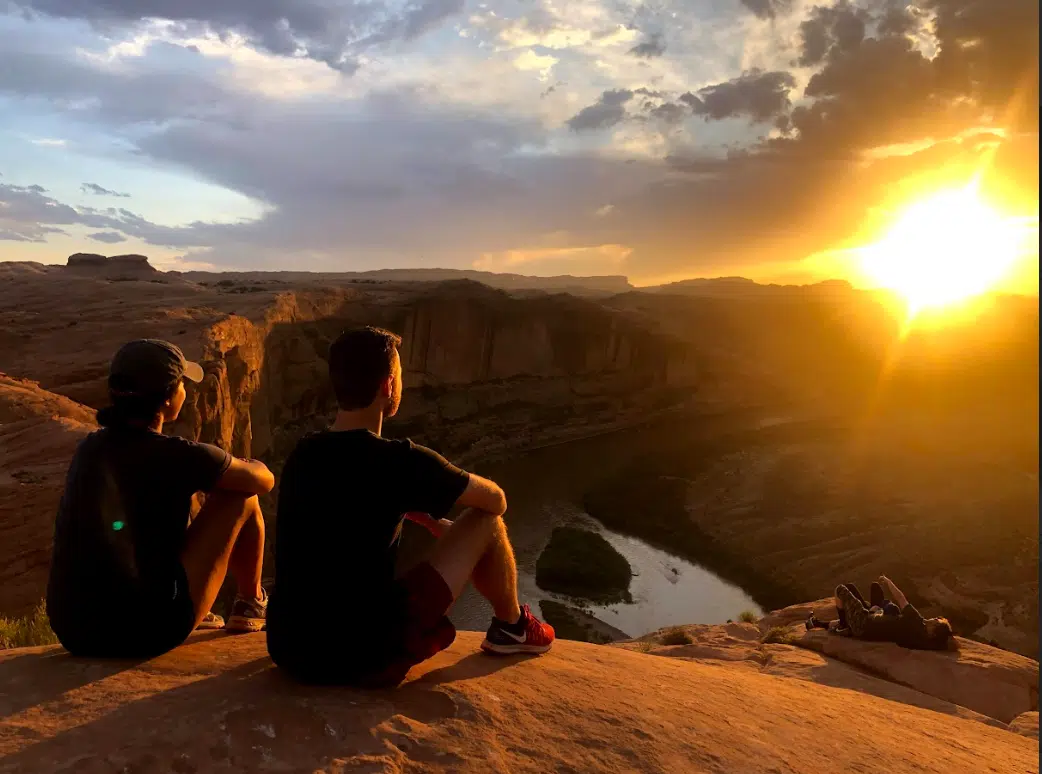
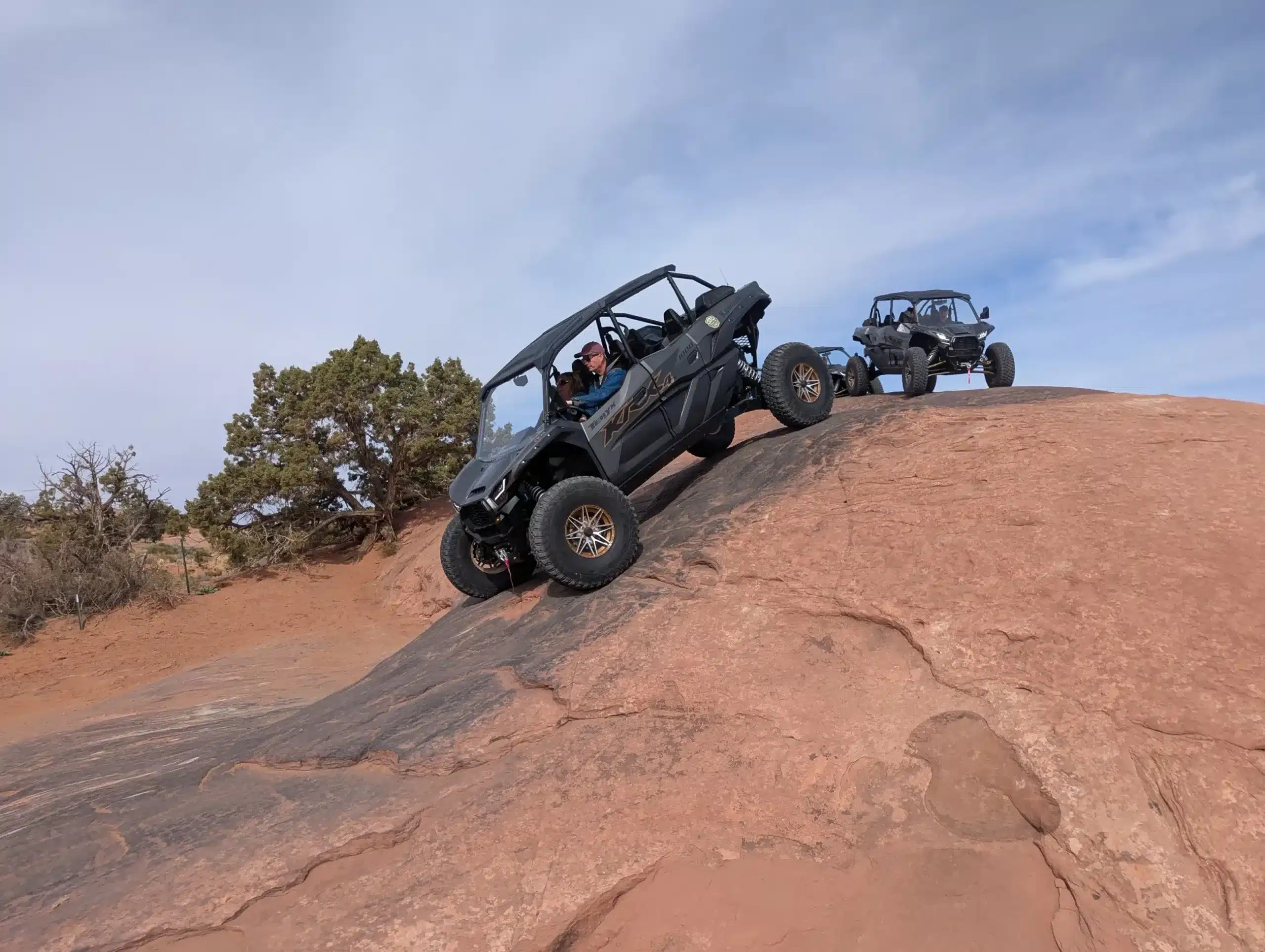
Moab is one of the most recognizable off-road destinations in the world, but its beauty comes with complexity. Weather patterns shift quickly, terrain varies dramatically from trail to trail, and elevation changes can transform conditions in a matter of miles. These factors work together to shape every off-road experience, influencing route selection, driving techniques, and overall comfort on the trail.
At Outlaw Adventure Tours, tours are built around a deep understanding of how Moab’s environment behaves throughout the year. Rather than treating trails as static routes, each outing is approached as a dynamic experience shaped by real world conditions.
Understanding how weather, terrain, and elevation interact provides valuable context for anyone planning an off-road tour in Moab and explains why guided experiences are structured the way they are.
Weather in Moab and Its Impact on Off-Road Tours
Moab’s desert climate creates dramatic seasonal contrasts. Summer temperatures can reach extreme highs, while winter conditions may include snow, ice, and freezing mornings. Spring and fall often provide ideal conditions, but even these seasons can bring sudden changes in wind, rain, or temperature.
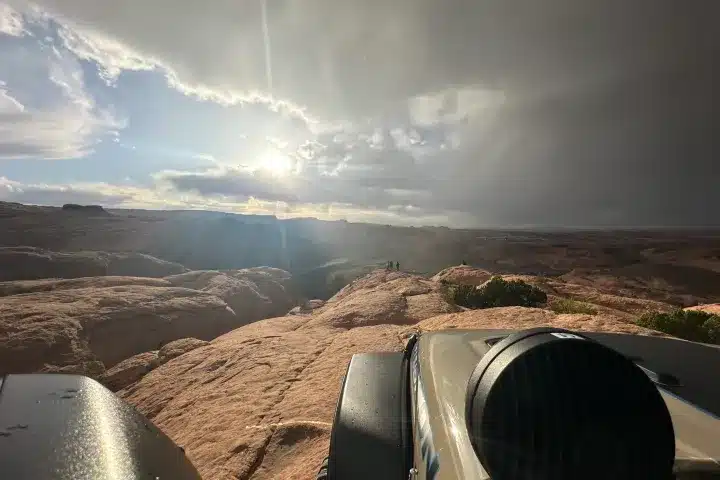
Rain is one of the most influential weather factors in Moab. Although precipitation is relatively infrequent, even small amounts can drastically affect trail conditions. Slickrock retains traction when wet, but dirt roads and clay based soils become extremely slippery. This combination requires careful planning and often leads to route adjustments to maintain safe travel.
Heat is another major consideration, particularly in late spring and summer. Direct sun exposure, reflective rock surfaces, and limited shade can amplify temperatures on the trail. Tours are paced with hydration, rest stops, and vehicle positioning in mind to reduce heat stress and maintain comfort.
Wind and sudden storms can also impact exposed routes, especially those with elevation or narrow shelf roads. Gusts may affect visibility, temperature, and overall comfort. Monitoring forecasts and observing real time conditions ensures tours remain enjoyable rather than overwhelming.
Daily weather evaluation plays a key role in how tours are planned. Routes may be shortened, adjusted, or rerouted to align with conditions, allowing guests to experience Moab’s landscape without unnecessary risk.
Moab Terrain and Why It Demands Respect
Moab’s terrain is renowned for its variety and technical nature. Unlike areas with uniform trail surfaces, Moab combines slickrock domes, sandy washes, loose gravel, rock ledges, and narrow passages within a single route. Each surface behaves differently under tires and requires specific driving techniques.
Slickrock provides remarkable traction when dry, but its steep inclines and descents demand precision and confidence. Small changes in approach angle or throttle control can significantly affect vehicle stability. Sandy sections require steady momentum and smooth steering to avoid getting bogged down.
Rock ledges and uneven terrain test suspension travel, ground clearance, and wheel placement. These obstacles are often navigated slowly and deliberately, with careful spotting to ensure safe progression. Loose gravel and mixed surfaces add another layer of unpredictability, particularly on descents.
Terrain complexity also influences how long a tour takes. Some trails appear short on a map but require extended time due to technical sections and elevation changes. Understanding this helps set realistic expectations and ensures the experience remains enjoyable rather than rushed.
Matching terrain to vehicle capability and guest comfort is essential. Routes are selected to balance challenge and accessibility, allowing participants to experience Moab’s iconic landscapes without exceeding safe limits.
Elevation Changes and How They Transform the Trail
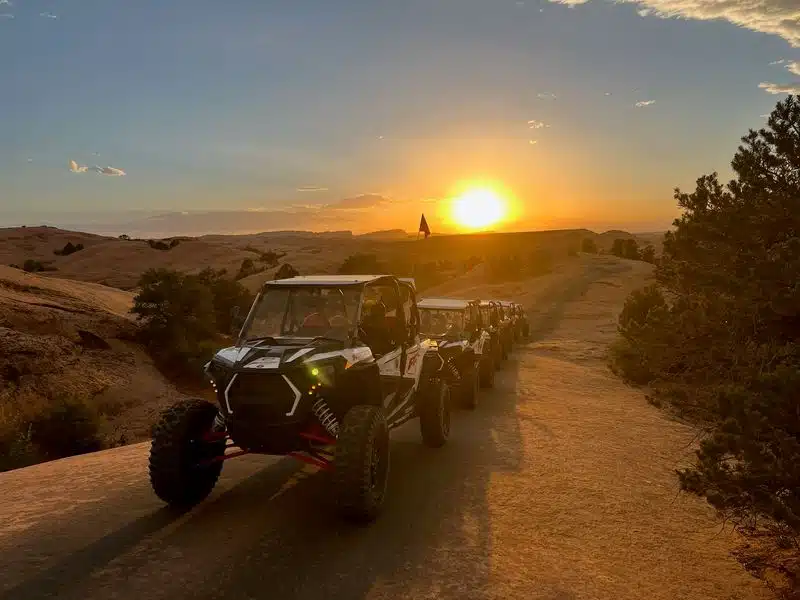
Elevation is one of the most underestimated aspects of off-road touring in Moab. Many trails climb thousands of feet above town level, bringing noticeable changes in temperature, wind, and surface conditions.
Higher elevations often feel significantly cooler, even during warmer months. This can be a welcome relief in summer, but it also means visitors need to be prepared for temperature shifts. Wind exposure increases with elevation, particularly along ridgelines and open overlooks.
In colder months, snow and ice may linger at higher elevations even when lower trails are dry. These conditions can affect traction, braking, and visibility, influencing which routes are suitable on any given day.
Elevation also impacts vehicle performance. Sustained climbs, steep descents, and long grades place additional demands on engines, brakes, and transmissions. Careful route planning accounts for these factors, ensuring vehicles are driven within safe operating ranges.
From a scenic standpoint, elevation delivers some of Moab’s most unforgettable views. Elevated trails provide sweeping vistas of canyons, rock formations, and distant mountain ranges. These vantage points are often inaccessible without guided navigation and local knowledge.
How Weather, Terrain, and Elevation Work Together
While each factor plays an important role on its own, the true challenge lies in how weather, terrain, and elevation interact. A dry forecast does not guarantee uniform conditions across a route. Temperatures may vary significantly between trailheads and high points. Terrain that is manageable in dry conditions may become technical after rainfall.
This interplay is why off-road tours require flexibility and experience. Decisions are rarely based on a single variable. Instead, route selection reflects a holistic understanding of how conditions evolve throughout the day.
For example, a tour may begin on dry slickrock before climbing to higher elevation where wind and cooler temperatures are present. Later sections may include sandy washes affected by earlier weather patterns. Adapting to these changes ensures a smooth and enjoyable experience.
Understanding these relationships also helps guests appreciate the complexity of Moab’s backcountry. What looks simple from a distance often requires thoughtful planning and experienced navigation.
Why Guided Tours Make a Difference in Moab
Moab’s off-road environment rewards preparation and experience. Guided tours provide structure, local knowledge, and adaptability that allow guests to explore confidently.
Routes are selected based on current conditions rather than fixed itineraries. This flexibility ensures safety while still delivering the scenery and excitement visitors expect. Guides understand how weather patterns affect specific trails and how elevation changes influence comfort and drivability.
Guided tours also help protect the landscape itself. Staying on designated routes, adjusting travel during sensitive conditions, and practicing responsible trail use preserves Moab’s environment for future generations.
For visitors unfamiliar with Moab’s terrain, guided tours remove uncertainty. Instead of focusing on navigation and trail decisions, guests can fully engage with the experience, scenery, and geology that make Moab exceptional.

About Outlaw Adventure Tours
We are a Moab based off-road tour company offering guided Jeep and UTV experiences through some of the region’s most iconic landscapes. Tours are led by experienced local guides who understand Moab’s trails, seasonal conditions, and environmental challenges.
Each tour is designed to deliver an authentic off-road experience while prioritizing safety, stewardship, and guest enjoyment. By adapting to weather, terrain, and elevation, Outlaw Adventure Tours creates memorable adventures that showcase the best of Moab’s backcountry.
Frequently Asked Questions
Do weather conditions affect Moab off-road tours?
Yes. Weather influences traction, comfort, and route selection. Tours may be adjusted based on conditions.
Does elevation change the experience?
Many trails climb well above town level, bringing cooler temperatures and different conditions.
Why is Moab terrain considered technical?
Moab combines slickrock, sand, ledges, and narrow sections that require precision and experience.
Are guided tours safer than exploring alone?
Guided tours provide local knowledge, spotting, and route planning that help manage risk. What should I wear for changing conditions?
Layered clothing is recommended to accommodate temperature and wind changes.